Recovering value from
what we leave behind.
Our mission connects responsible management of biodegradable organic waste with cleaner renewable energy and sustainable agricultural soil regeneration.
Supporting India's agricultural future.
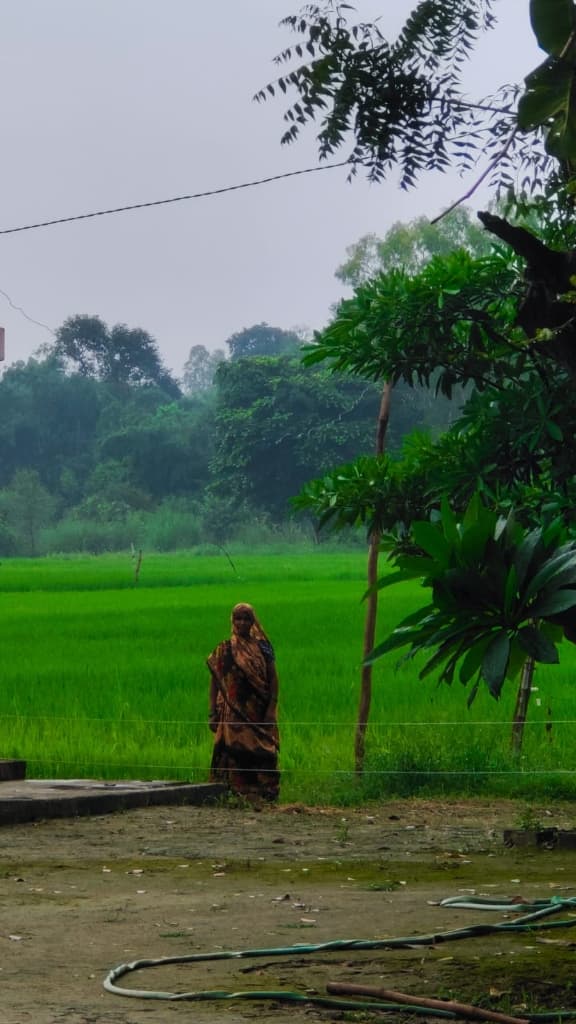
Humus Waste & Energy Management (HW&EM) was established with a clear, transformative purpose: to convert urban organic waste into renewable clean energy, and actively support our farmers and our country to move towards organic farming by reducing dependence on chemical fertilizers.
To achieve this objective, we are initiating a proposed project to convert kitchen waste (municipal solid waste organics), fruit-vegetable market residues, and cattle manure into high-grade Compressed Biogas (CBG) and organic compost.
In urban centers like New Delhi, organic waste constitutes over 50% of the total municipal waste stream. When dumped into overflowing landfills, it decomposes anaerobically without containment, releasing potent methane into the atmosphere. Our proposed Ghitorni initiative treats this material not as a disposal burden, but as a vital feedstock for clean fuel and living soil.
Built on circular bioeconomy principles.
Divert from Landfills
Establish disciplined, segregated collection networks within a 15 km radius to prevent organic waste from reaching open dumpsites, eliminating fugitive methane emissions at source.
City Gas Substitution
Deploy modern mesophilic anaerobic digestion and membrane gas purification to produce high-grade biomethane capable of supplying city gas networks and domestic stoves.
Natural Organic Manure
Process post-digestion slurry into Solid Organic Fertilizer (SOF) and Liquid Fermented Organic Manure (LFOM), restoring microbial vitality to depleted agricultural soil.
Why organic bio-fertilizer is irreplaceable.
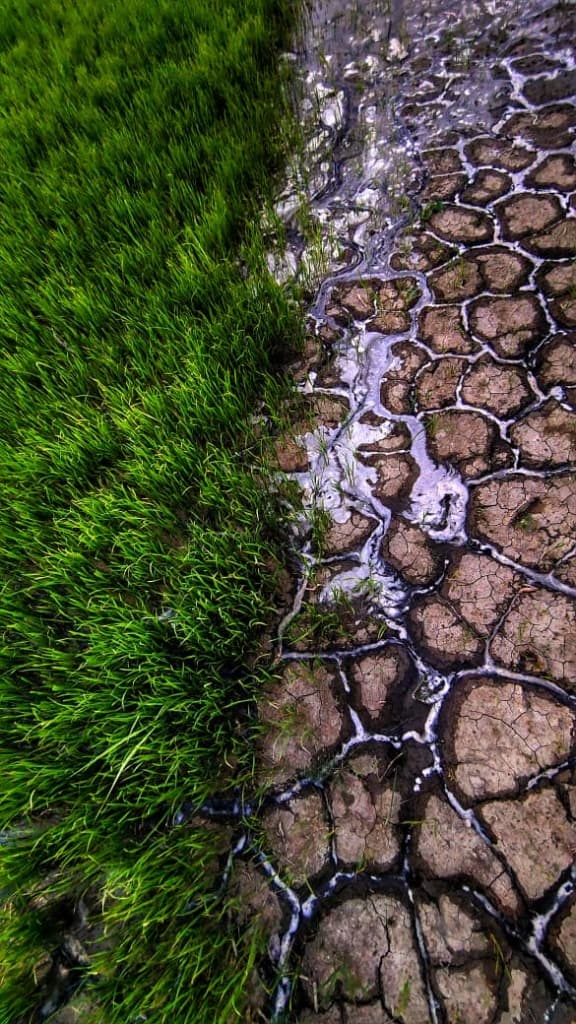
Over decades of intensive chemical farming, excessive synthetic fertilizers strip topsoil of organic carbon, beneficial mycorrhizal fungi, and earthworm biomes. Soil hardens, losing its natural water-holding capacity and cracking during dry spells.
Humus—the biological heart of living soil—can only be replenished through organic matter. By refining anaerobic digestate into vermicompost and liquid fermented manure, our proposed facility returns vital micronutrients (NPK + trace minerals) to rural farmlands, dramatically improving moisture retention and crop resilience.
Aerobic compost & vermicompost for long-term carbon restoration.
Bioactive liquid nutrition for rapid foliar and root uptake.
Integrity and factual transparency.
HW&EM operates with strict adherence to environmental planning ethics. We distinguish clearly between our engineered planning targets and operational realities:
- Proposed Project Status: The Ghitorni facility is currently in the pre-development and statutory planning phase. It is not currently operational.
- Proposed Commercial Offtake: Offtake arrangements with gas distribution companies are under commercial and regulatory evaluation as proposed bilateral agreements; no binding agreement has been signed.
- Science-Based Sourcing: Feedstock plans are restricted to verified segregated organic streams within 15 km to ensure net-negative lifecycle emissions.